
Building Bridges for Children with Autism
Understanding Early Childhood Autism Challenges
Toddlers with autism often experience challenges in communication, social interaction, and behavior that can affect their early development. They may have delayed speech and language skills, limited eye contact, and difficulty understanding or responding to social cues such as gestures, facial expressions, or their name being called. Some toddlers may prefer solitary play or show limited interest in interacting with peers and caregivers. Repetitive behaviors, strong attachment to routines, and intense reactions to changes in environment are also common.
Additionally, many toddlers with autism experience sensory sensitivities, becoming overwhelmed by certain sounds, textures, lights, or movements. These challenges can lead to frustration, emotional outbursts, or difficulty adapting to new situations. However, with early identification and supportive interventions such as speech therapy, behavioral therapy, and structured learning environments, toddlers with autism can develop important communication, social, and adaptive skills over time.
Identifying the Concern
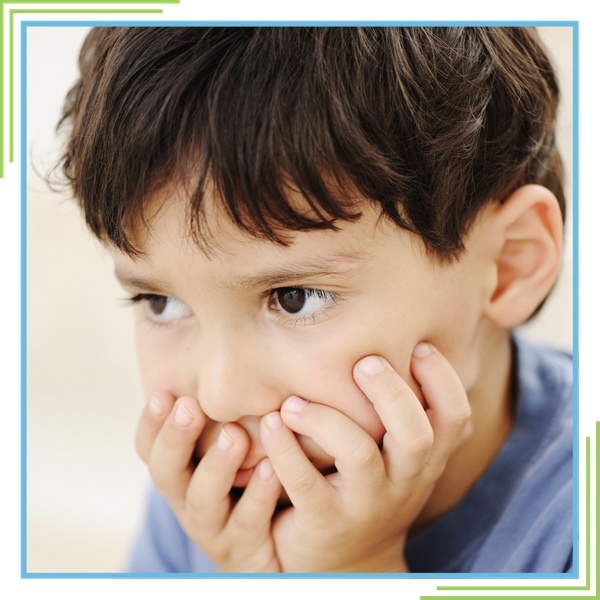
Toddlers with autism often experience hurdles in communication, social interaction, and behavior. These may manifest as delayed speech, limited eye contact, and difficulty interpreting facial expressions or gestures. Many children also face sensory sensitivities, becoming overwhelmed by sounds, lights, or textures, which can lead to emotional outbursts or withdrawal from group activities.
Autism Intervention Support
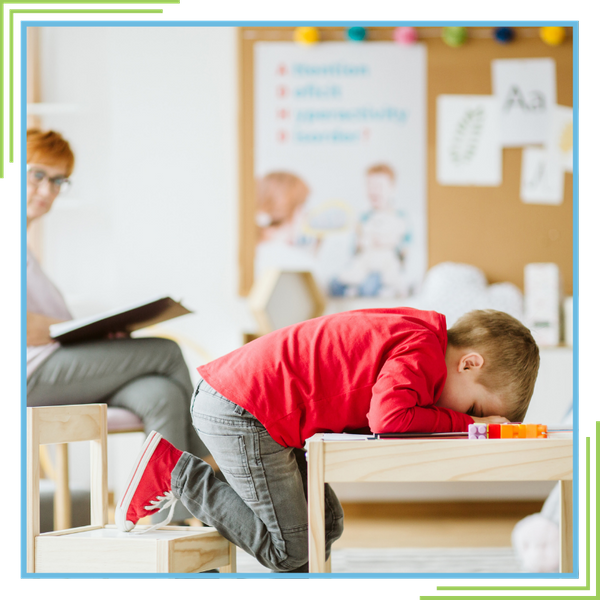
Early identification and structured learning environments are essential for long-term success. Growing Healthy Preschool Intervention raises funds to place specialists in the classroom who can implement behavioral and speech strategies. These interventions help toddlers develop vital communication and adaptive skills during their most formative years.
How Specialists Foster Social and Behavioral Growth
By embedding therapeutic support into the daily school routine, specialists help children navigate social cues and transitions in real-time. This hands-on assistance reduces frustration and allows children to engage more meaningfully with their peers and caregivers.
- Implementation of structured routines to reduce anxiety.
- One-on-one support for developing speech and language skills.
- Guidance for interpreting and responding to social cues.
- Management of sensory sensitivities through environmental adjustments.
- Behavioral strategies to encourage positive social participation.
Ready To Make An Impact?
Discover how you can make a difference in children's lives!