
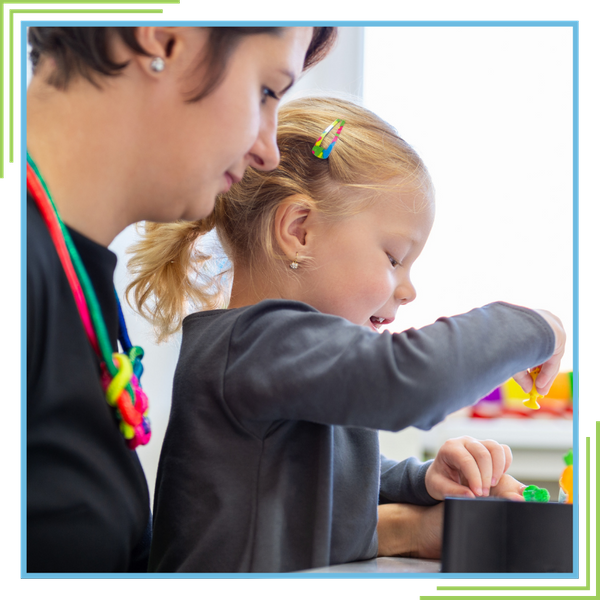
Occupational Integration
Toddlers with challenges in occupational integration often struggle to participate in everyday activities that support their development, such as playing, eating, dressing, or exploring their environment. These difficulties may arise from delays in fine and gross motor skills, coordination, or the ability to follow routines, making simple tasks frustrating or overwhelming. Challenges in occupational integration can also affect social interaction, as toddlers may find it hard to engage with peers or adults in shared activities.
Additionally, difficulties with attention, planning, and adapting to new experiences can limit learning opportunities and independence. Families may experience stress while trying to support their child’s participation in daily life, but early intervention through occupational therapy, adaptive strategies, and structured practice can help toddlers build essential skills and improve confidence in their everyday activities.
The Role of Occupational Integration
Toddlers with challenges in occupational integration often struggle with everyday activities like playing, eating, and dressing. Delays in fine and gross motor skills can make simple tasks overwhelming, limiting a child’s independence and learning opportunities.
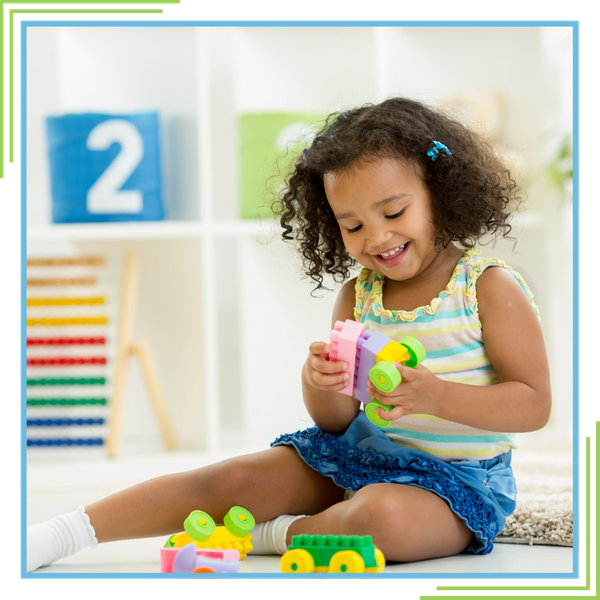
Occupational Integration in Preschools
Growing Healthy Preschool Intervention helps to provide preschools with specialists who use adaptive strategies and structured practice to help toddlers build essential skills. Through early intervention and occupational therapy, the goal is to improve a child’s confidence and ability to participate in shared activities with peers.
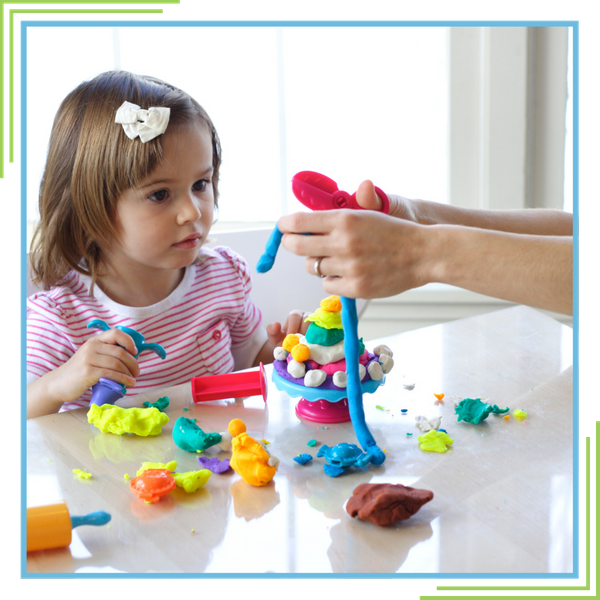
Promoting Independence
Occupational integration helps promote confidence in the "jobs" of a toddler: playing and learning. Specialists work directly with children to refine their coordination and planning skills, ensuring they can navigate the school day successfully.
Fine motor skill development for writing and drawing.
Coordination exercises to improve play and exploration.
Adaptive strategies for self-care and daily routines.
Social interaction coaching for shared classroom activities.
Support for attention and planning in structured environments.
Please Donate today
Ready To Make An Impact?
Discover how you can make a difference in children's lives!